COMMERCIAL KITCHEN FLOORING IN SUMMERVILLE, SC: WHAT HEALTH INSPECTORS LOOK FOR IN A FLOOR
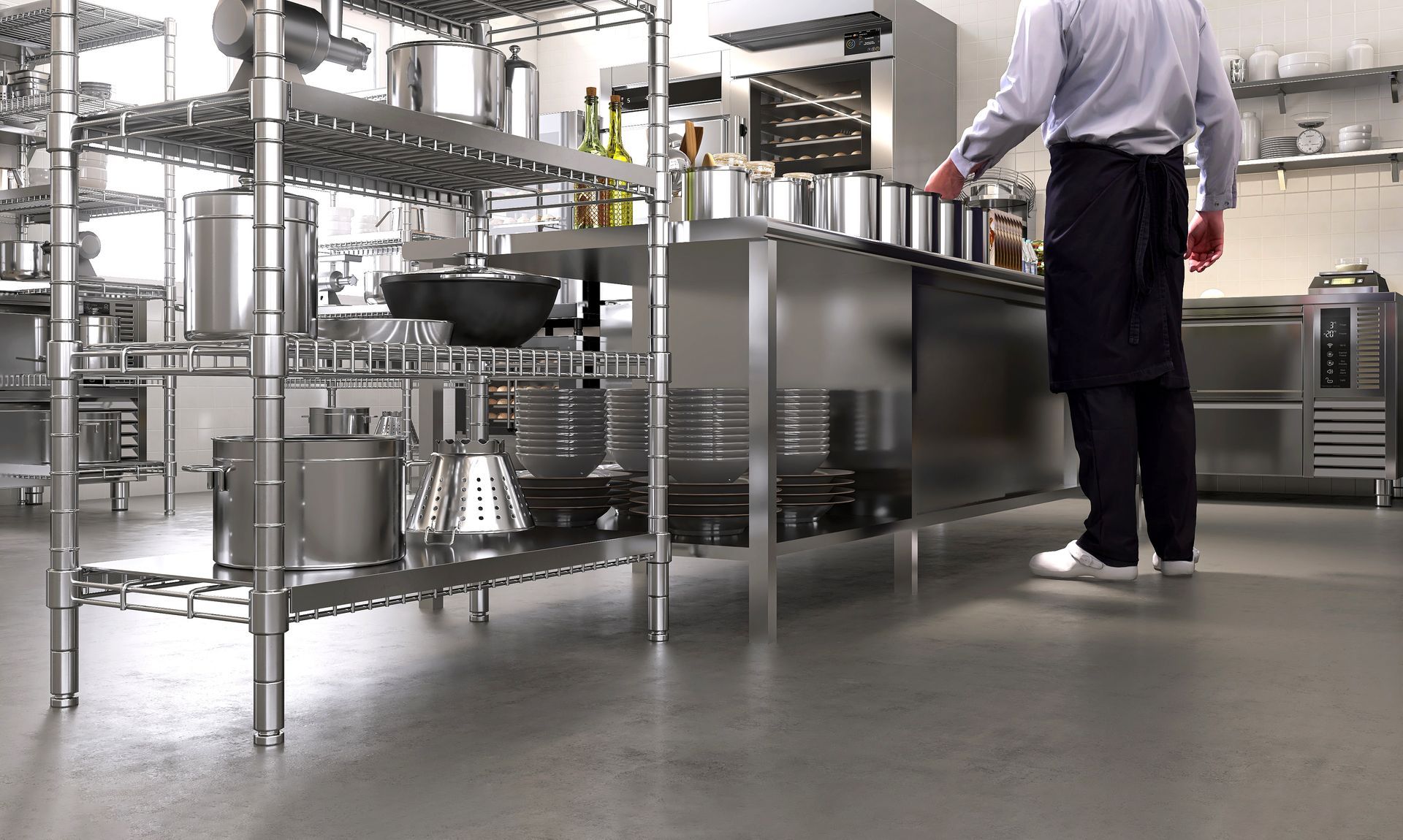
This guide explains what to know about commercial kitchen flooring in Summerville, SC, and which floor features health inspectors often check. A restaurant floor takes constant wear, and it also has to stay clean enough to pass inspection. Knowing the basics can help you plan before your next inspection or remodel.
Why Inspectors Look at Kitchen Floors
A kitchen floor can hold food, grease, and moisture, so inspectors pay attention to it. A floor that is cracked, pitted, or hard to clean may hide dirt. That can raise concerns about pests and sanitation.
Health rules for food businesses in South Carolina follow food safety standards based on the FDA Food Code. The agency in charge and the exact rules can change, so check with your local health office for the current version. Summerville businesses sit in Dorchester County, and some may fall under a different county or city office, depending on the address.
Smooth, Durable, and Easy to Clean
Inspectors generally expect kitchen floors to be smooth, durable, and easy to clean. Rough, broken, or worn floors can trap grease and moisture.
Features that often help include:
- A surface with few or no seams.
- A finish that resists grease, heat, and cleaning chemicals.
- No cracks, holes, or loose pieces.
- A surface that handles daily scrubbing.
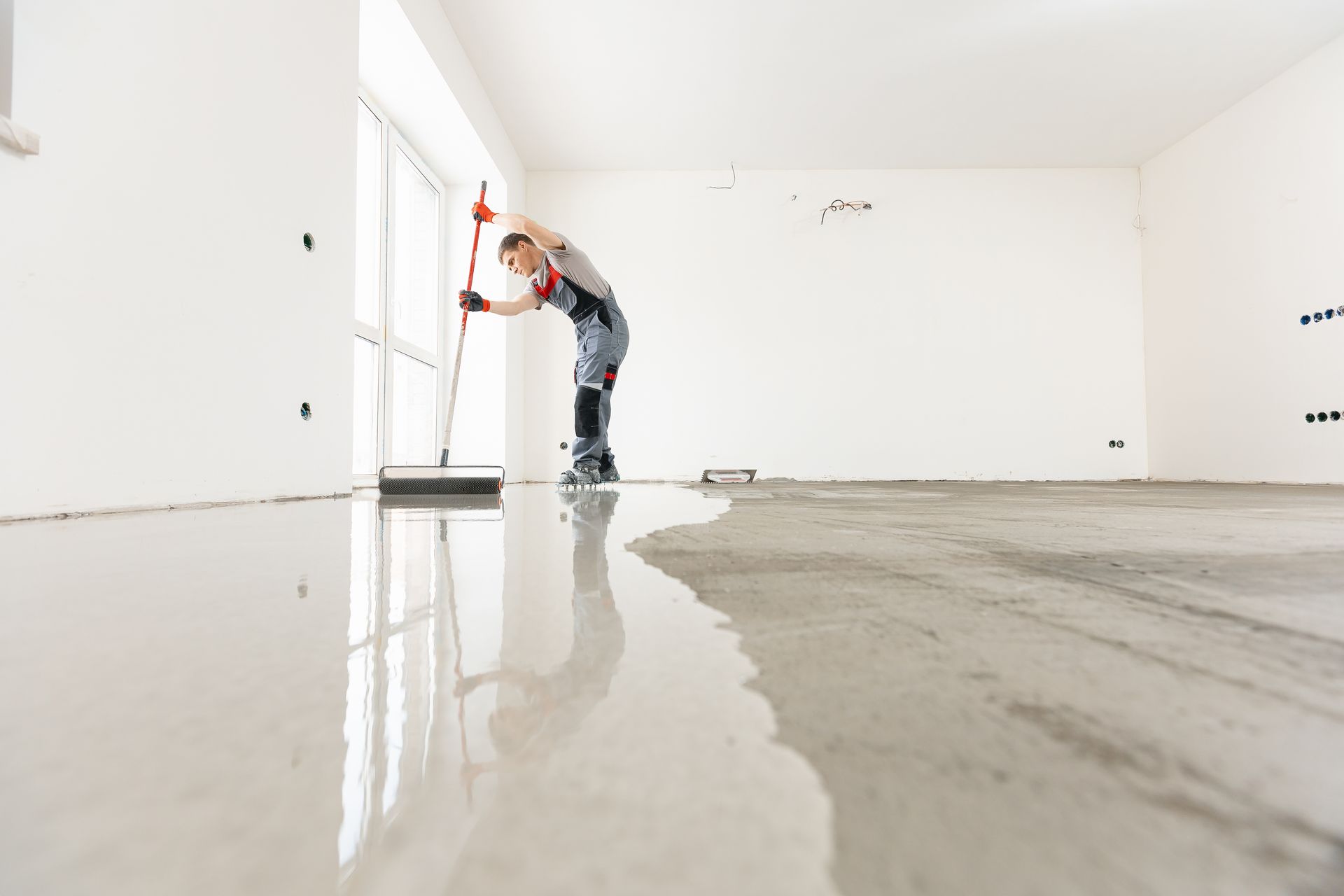
Commercial kitchen flooring built from a seamless system can meet these needs in many kitchens. The best choice depends on the heat, traffic, and equipment in your space.
Coving and Wall Joints
The spot where the floor meets the wall is a common problem area. Dirt and moisture can collect in a sharp corner. Many kitchens use coving, which is a curved edge that rises from the floor up the wall.
Coving makes the joint easier to clean. Ask your installer how they handle coving and wall joints and whether the work is part of the floor system. Check current local rules, since requirements may vary by area and kitchen type.
Drains and Slope
Water should move toward drains instead of pooling. A floor that holds water can grow slippery and may lead to odors and mold.
If your kitchen has floor drains, ask whether the floor slopes toward them. An installer may be able to adjust the surface so water flows the right way. Not every slab can be changed, so a site visit is the best first step.
Slip Resistance for Wet Kitchens
Wet floors are a safety risk for staff. Grease, water, and steam can make a smooth floor slick.
A slip-resistant finish can help. These finishes add texture so shoes grip better. The texture has to be balanced with cleanability, since a very rough floor can hold dirt. Ask which options fit your kitchen and how they are cleaned.
Heat, Chemicals, and Daily Wear
Kitchen floors face hot oil, steam, harsh cleaners, and heavy carts. Some floor materials fail under that stress.
A good floor system should be matched to the kitchen. Areas near fryers and dish rooms may need a tougher system than dry storage. Many installers use polymer-based systems in heat-heavy zones, while epoxy may work in cooler areas such as storage and prep rooms. Ask any installer to explain their choice for each area.
Are Tile and Old Coatings Still Acceptable?
They can be, as long as they are in good shape. Tile with cracked grout or loose pieces may draw attention. A peeling coating may flake into food areas.
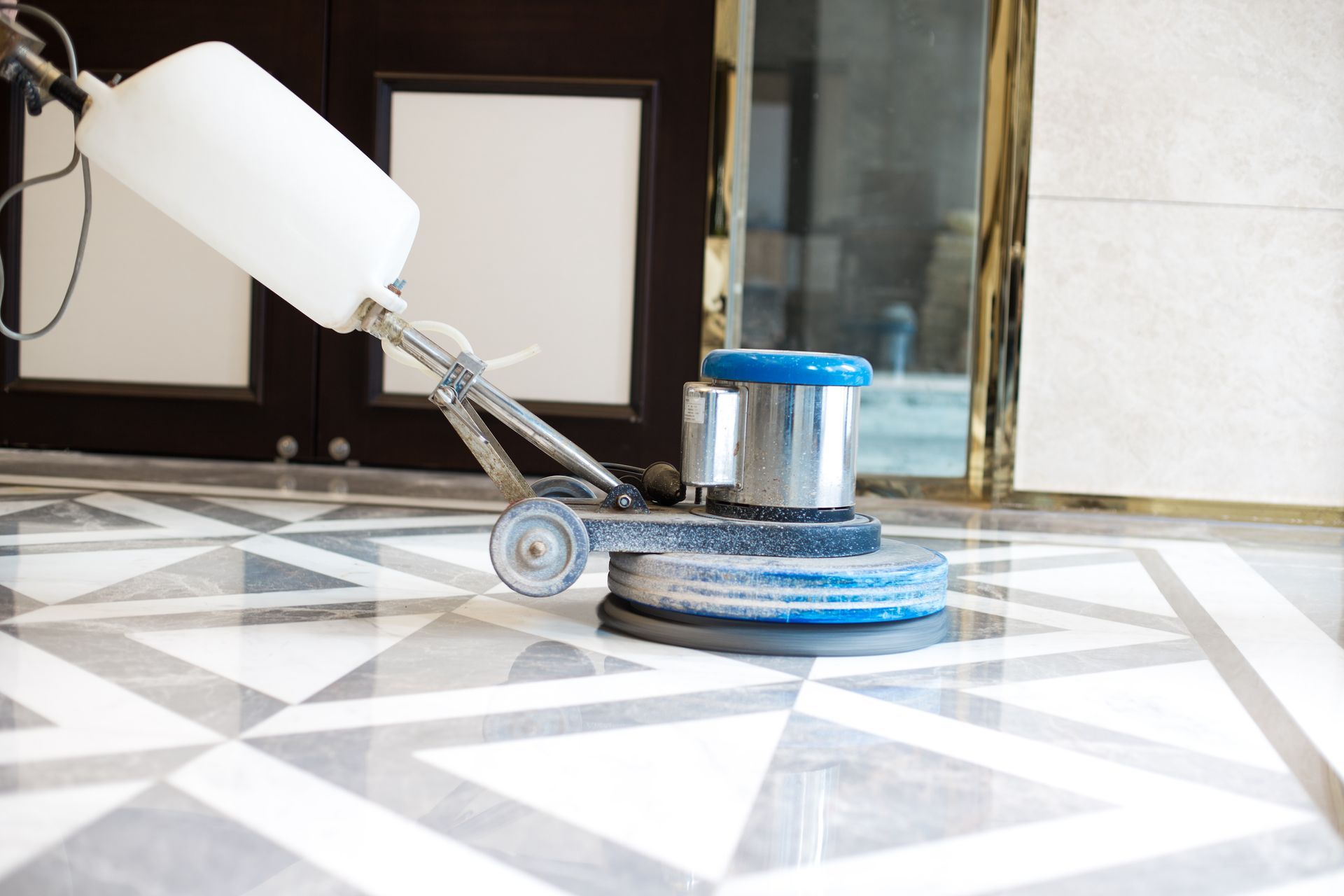
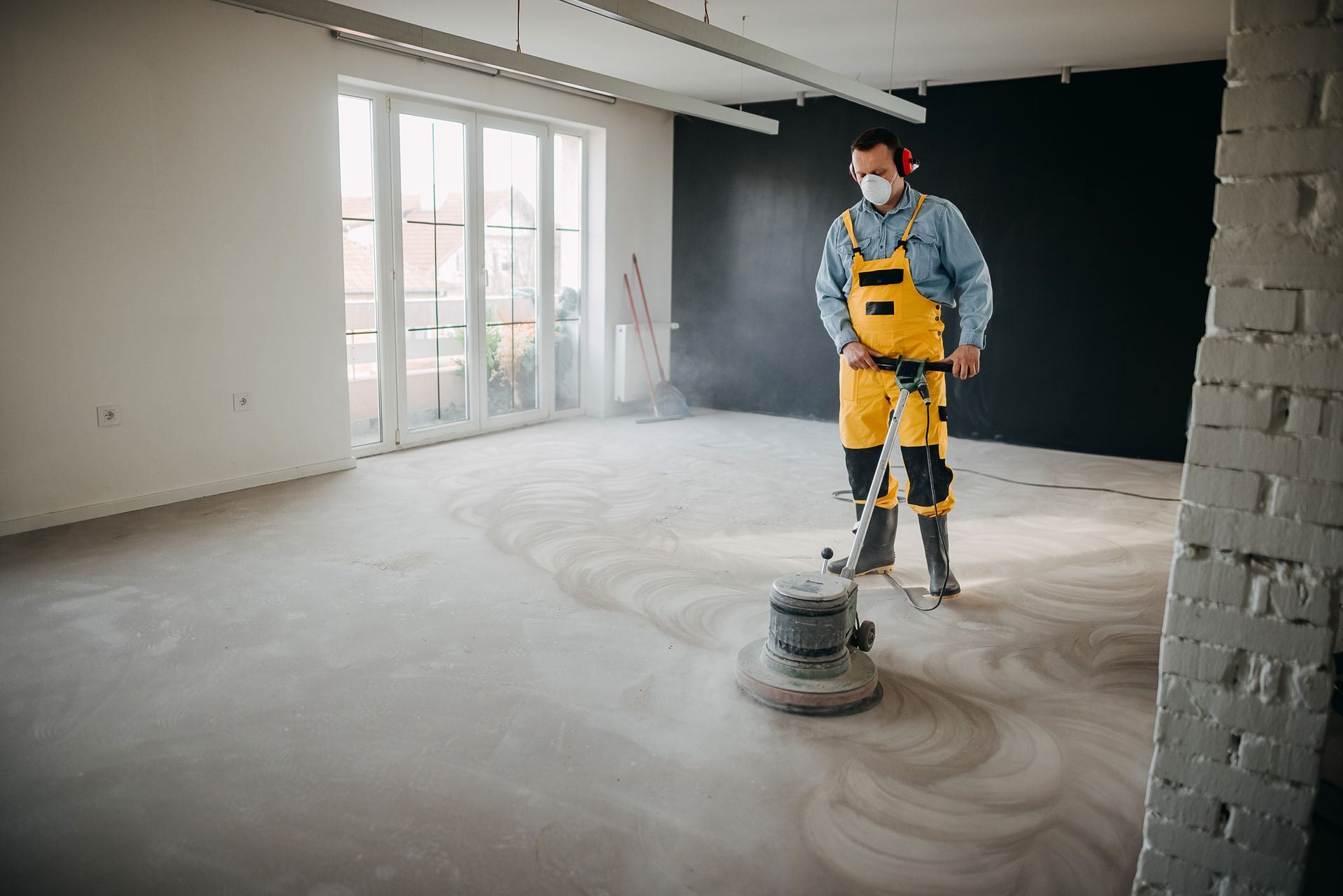
If your floor is worn, an inspector may point it out. Fixing problems early can save stress later. A flooring contractor can look at your floor and tell you whether repair or replacement makes more sense.
A Simple Pre-Inspection Floor Checklist
Walk your kitchen with fresh eyes before an inspection. Look for:
- Cracks, chips, or pits in the floor.
- Missing or dirty grout lines.
- Gaps where the floor meets the wall.
- Pooling water near drains.
- Peeling or flaking coatings.
Write down any problems and fix the worst ones first. Take dated photos as you go, so you can show what you fixed and when. Ask your staff what spots are hardest to clean, since they often know where trouble starts. This guide is general information, and local health officials make the final call.
What Kind of Flooring Is Required in a Commercial Kitchen?
Rules call for floors that are smooth, durable, and easy to clean. Many kitchens use seamless systems for that reason. Check with your local health office for the exact rules.
How Long Does Commercial Kitchen Flooring Take to Install?
It depends on size and prep. Some systems cure fast, and some projects finish in days. Read more about our approach on our commercial kitchen flooring page.
Get Help With Your Kitchen Floor
LowCountry Surface Coatings, based in North Charleston, SC, provides commercial kitchen flooring serving Summerville, SC, and nearby areas. We can look at your floor and explain your options. Call 843-548-5272 or request a free estimate.