CONCRETE STAINING IN SUMMERVILLE, SC: HOW TO PREPARE YOUR SLAB BEFORE STAINING
This guide explains how to prepare a slab for concrete staining in Summerville, SC, and why prep decides how the color turns out. Stain soaks into the surface, so anything left on the concrete can show through. A little planning can help you avoid patchy results.
Why Prep Matters for Concrete Staining
Stain reacts with the concrete itself, not with a coating on top. Dirt, paint, glue, and old sealer can block the stain and leave blotches. Good prep for concrete staining gives the color a clean surface to bond to.
Summerville has many slabs in different shapes. Newer homes in areas like Nexton and Cane Bay have fresh concrete, while older properties may have decades of wear. Each needs a slightly different plan. This guide is general information, and a pro should look at your slab.
Know What Is on Your Slab
Start by figuring out what is on the surface. A slab can hide more than it shows. Look for:
- Paint, sealer, or old coatings.
- Glue from removed carpet or tile.
- Oil, grease, or tire marks in a garage.
- Patches or repairs that look different from the rest.
- Cracks, chips, and spalling.
Some of these can be removed. Others may stay visible after staining, since stain does not hide flaws. Many people like that character, but it helps to know before you start.
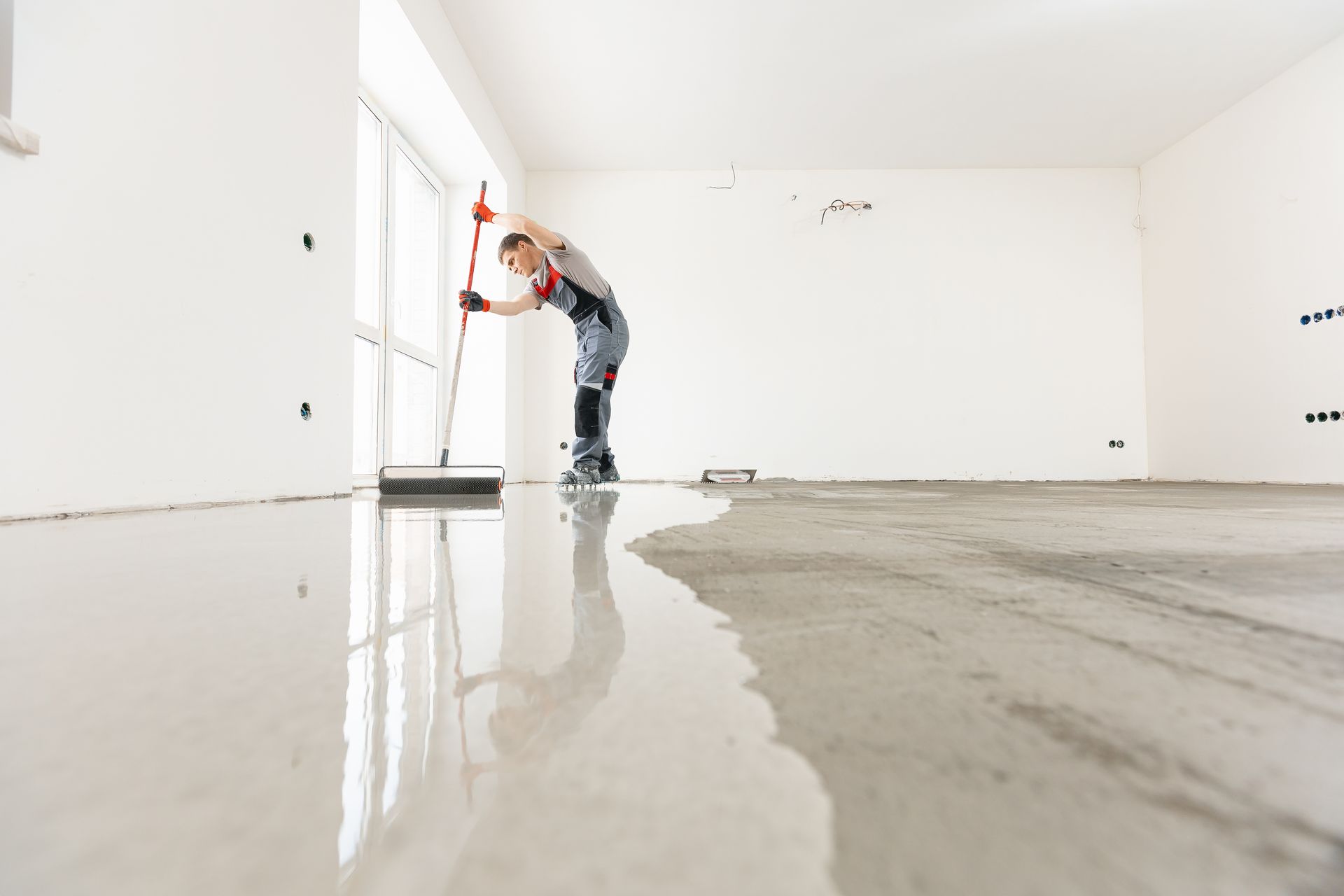
Clean the Surface Thoroughly
Cleaning is the first step, and it is easy to underestimate. Sweep and vacuum loose dust first. Then clean oil and grease with a cleaner made for concrete.
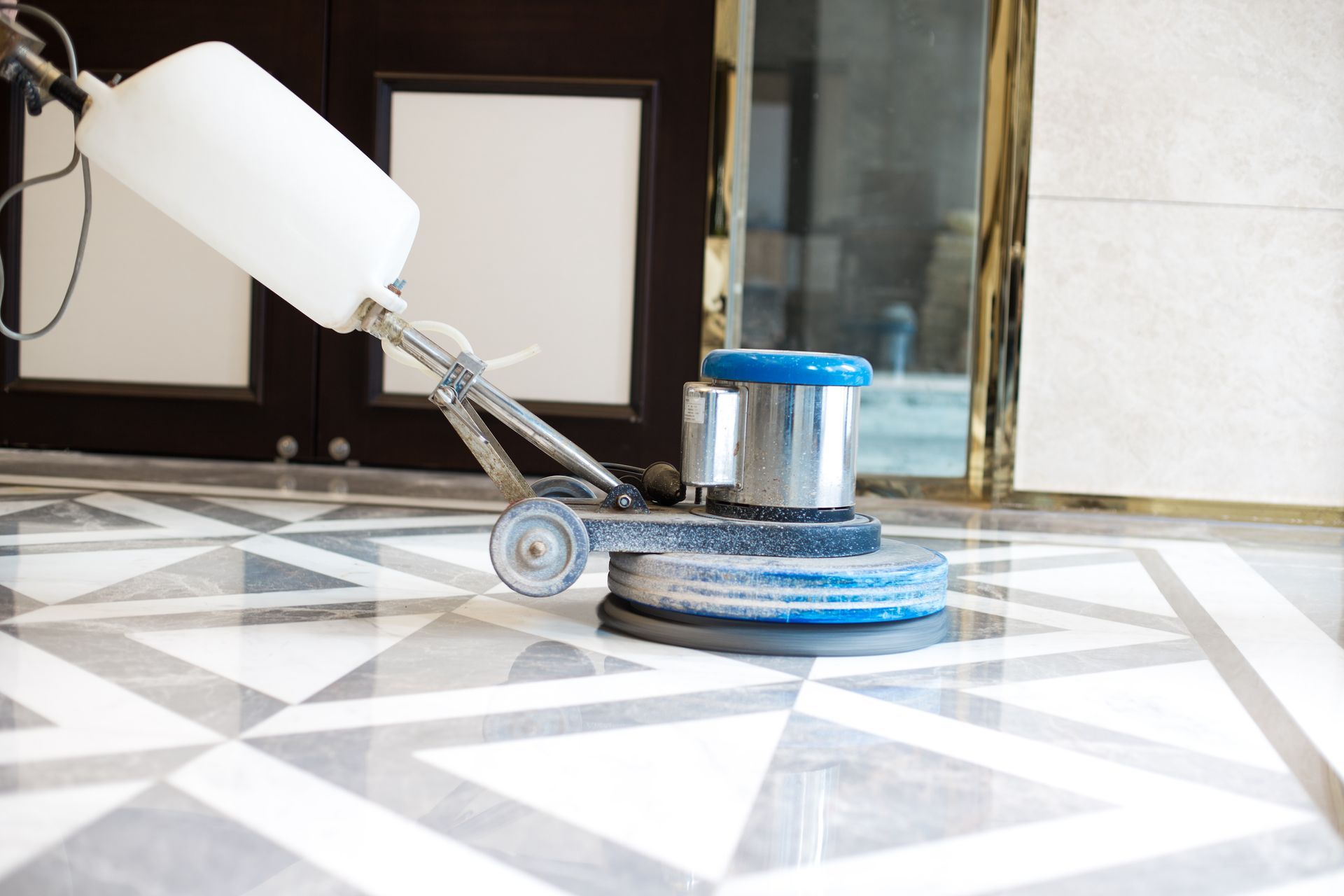
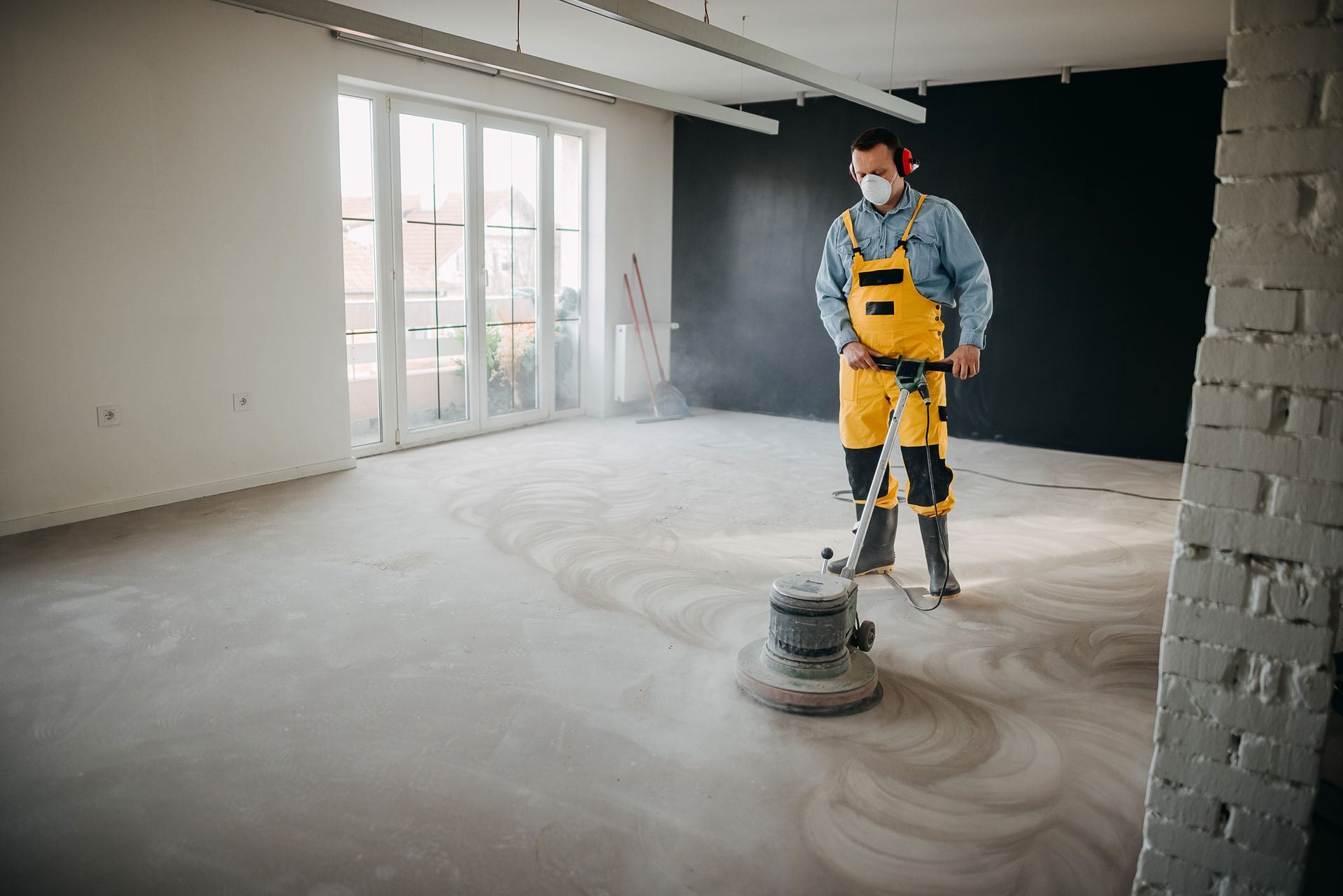
Pressure washing can help on outdoor patios and driveways. Let the surface dry fully before moving on. A pro may use grinding tools to remove coatings that cleaning cannot lift.
Remove Old Coatings and Sealers
Old sealers and paint block stain from soaking in. They must come off before staining. Methods include chemical strippers, grinding, and shot blasting.
The right method depends on the coating. Some products need special removers, and some may be thick enough to need grinding. A test spot can show whether the stain will bond.
Repair Cracks and Damage
Stain does not fill cracks, and it often makes them stand out. Small hairline cracks may be part of the look. Larger cracks and chips usually need repair first.
Repair materials may not take stain exactly like the surrounding concrete. That means a patch can look a little different after staining. Ask your installer how they handle repairs and what to expect.
Let New Concrete Cure
New concrete needs time to cure before staining. Many pros wait about a month, but the right timing depends on the mix, the weather, and the contractor's advice. Staining too early can cause uneven color.
If your home is new construction, ask the builder when the slab was poured. Summerville's warm, humid weather can change how fast concrete dries, so ask your installer to check.
Check Moisture Before You Stain
Moisture in a slab can cause trouble with stain and sealer. Water vapor moving up through concrete may cloud or peel a sealer.
Lowcountry humidity and ground moisture can add to this. A pro can test the slab before work starts. If moisture is high, they may suggest waiting or using a different product. Do not skip this check on garages and ground-level slabs.
Choose a Color With a Test Spot
Stain looks different on every slab. A sample in a small, hidden area can show how the color will turn out. Acid-based and water-based stains behave differently, and the same stain can look different on two floors.
Look at the sample in the light of the room, and check it again when it is dry. Take your time choosing, since staining is hard to undo.
Simple Prep Checklist
Use this list before you schedule work:
- Remove furniture, rugs, and items from the slab.
- Note any paint, sealer, glue, or stains on the surface.
- Mark cracks and damage with painter's tape.
- Find out when new concrete was poured.
- Ask for a moisture check and a test spot.
Can You Stain Old Concrete?
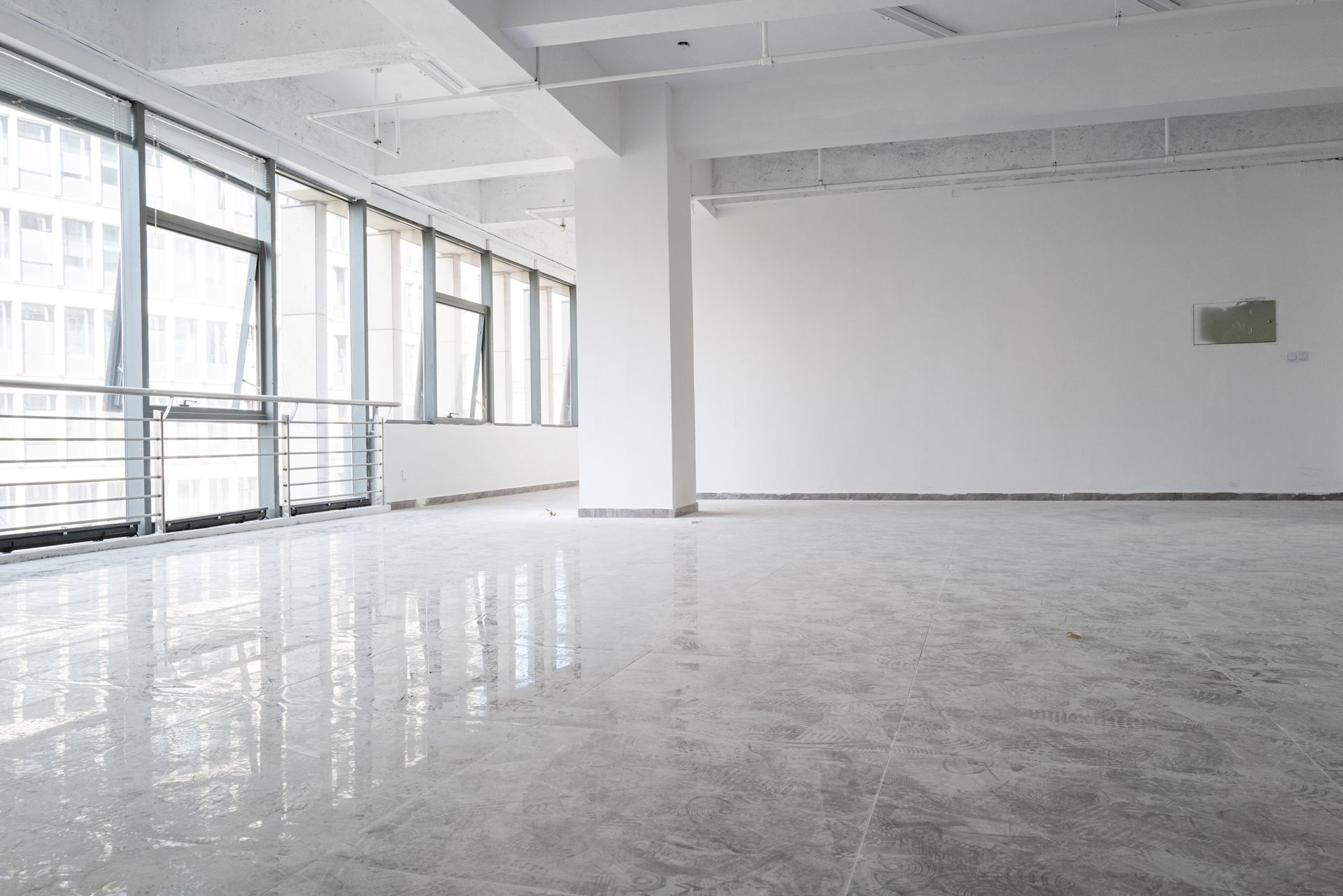
Yes, many older slabs can be stained if the surface is clean and bare. Old sealers and paint usually need to come off first. A pro can inspect the slab and tell you what is possible.
Do I Need to Seal Concrete After Staining?
Sealing is usually recommended, since it protects the color and makes cleaning easier. Sealing needs may differ for indoor and outdoor floors. Read more on our concrete staining page.
Plan Your Staining Project With a Local Pro
LowCountry Surface Coatings, based in North Charleston, SC, provides concrete staining serving Summerville, SC, and nearby areas. We can inspect your slab and explain the prep it needs. Call 843-548-5272 or request a free estimate.