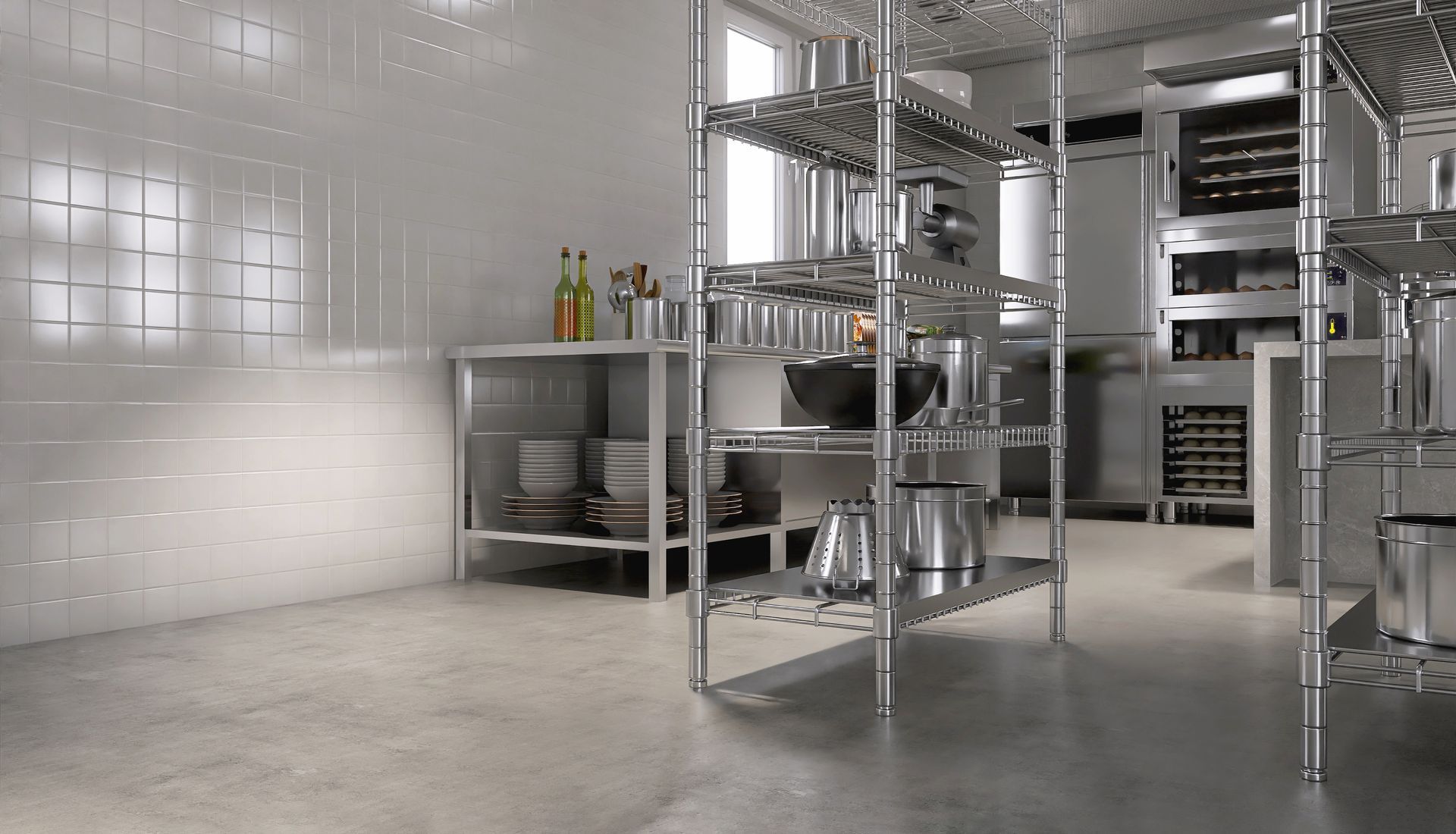
COMMERCIAL KITCHEN FLOORING FOR SUMMERVILLE, SC, RESTAURANTS: TILE AND GROUT PROBLEMS VS SEAMLESS SYSTEMS
Restaurant owners in Summerville, SC, often weigh tile against seamless systems when planning commercial kitchen flooring. Both can work, and each has trade-offs. This guide compares them fairly, so you can decide what fits your kitchen, your budget, and your health inspection needs.
Why the Floor Matters in a Restaurant Kitchen
A kitchen floor deals with grease, water, heat, and heavy carts every day. It also has to be cleaned often. A floor that fails can lead to slips, odors, and repairs that interrupt service.
Summerville's warm, humid climate adds to the challenge, since moisture and heat are constant. The right floor should be easy to clean, slip-resistant, and durable enough for your daily routine.
How Tile Holds Up in a Kitchen
Quarry tile has long been a common choice for commercial kitchen flooring. It is hard, familiar, and widely available. Many installers know how to lay it, and it can last for years when installed well.
Tile has real strengths:
- It is a proven material with a long track record.
- Individual tiles can sometimes be replaced if damaged.
- Textured tile can offer good traction.
The weak point is usually the grout. Grout lines can absorb grease and moisture, and they may crack or stain over time. Cleaning them takes effort, and neglected grout can hold bacteria and odors.
Common Tile and Grout Problems
Kitchens put grout under constant stress. Hot water, harsh cleaners, and heavy equipment wear it down. Watch for these signs:
- Cracked or crumbling grout lines.
- Dark staining that scrubbing does not remove.
- Loose or hollow-sounding tiles.
- Standing water along grout joints.
- Lingering odors near drains.
Repairs are possible, but they may need to be repeated. If problems keep returning, it may be time to compare other options.
How Seamless Systems Work
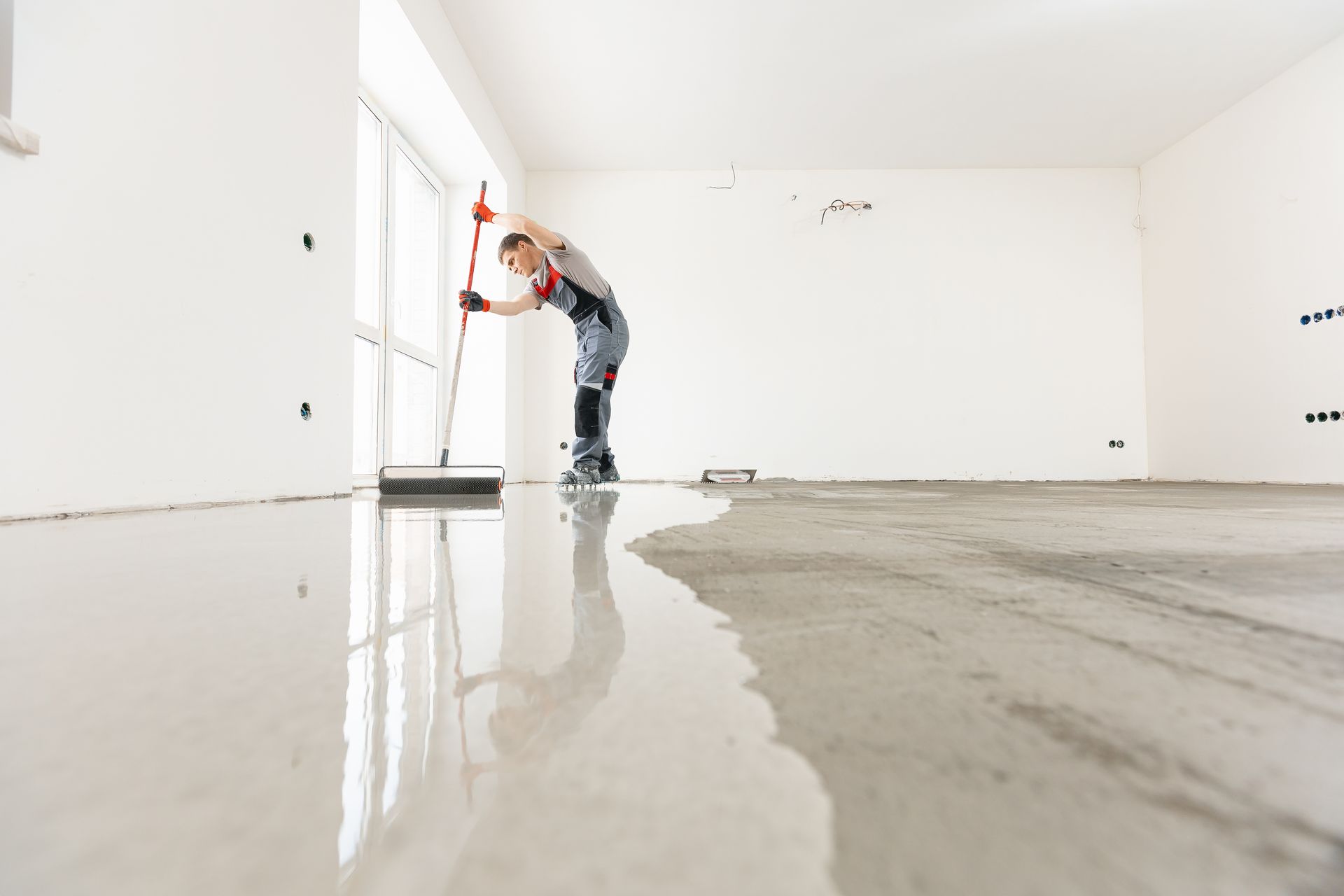
Seamless systems, such as epoxy, polyaspartic, and urethane cement, are applied as a liquid and cure into a continuous surface. With few or no joints, there is less space for grease and moisture to settle.
Many seamless floors can also curve up the wall as a cove base, which helps with cleaning along the edges. Textured finishes can add traction. Different products handle heat and chemicals differently, so the right choice depends on your kitchen.
Seamless Strengths and Limits
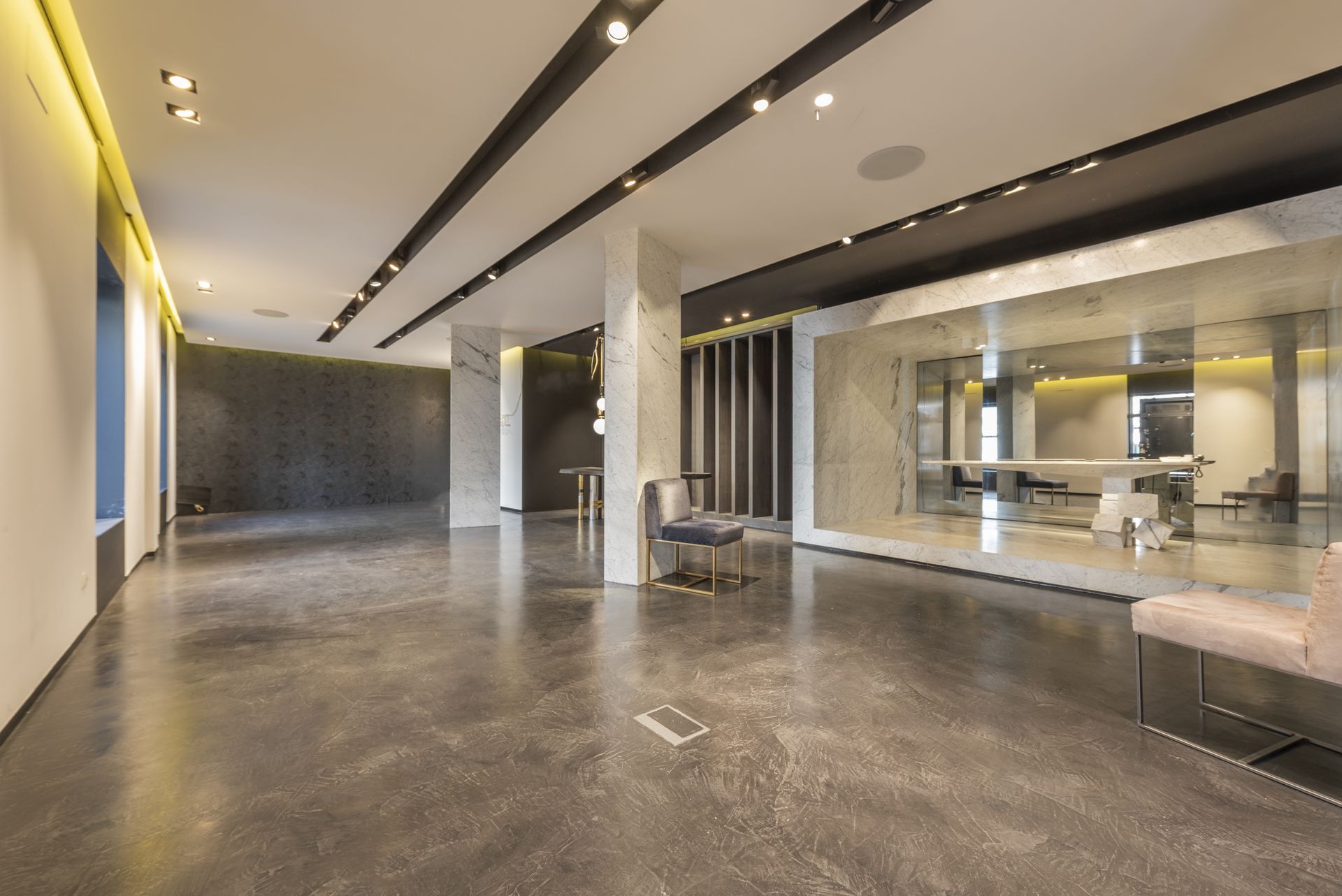
Seamless commercial kitchen flooring has clear benefits. It is easy to wipe and mop, and it can look clean and bright. Maintenance often takes less scrubbing than cleaning grout lines.
It has limits too. Installation needs a properly prepared slab, and moisture in the concrete can cause trouble. Installation may also need a closure period while the floor cures, so planning matters. Damaged areas can often be repaired, but patches may not blend in perfectly.
Heat and Chemical Exposure
Hot water, steam, and spills are daily realities in a kitchen. Some seamless products are made for high heat, while others may suit cooler areas such as dry storage. Ask what temperatures and cleaners the system you are considering can handle.
Tile handles heat well, but the grout may not. Whichever you choose, check how the full system, not just the surface, deals with your conditions.
Cleaning and Inspection Considerations
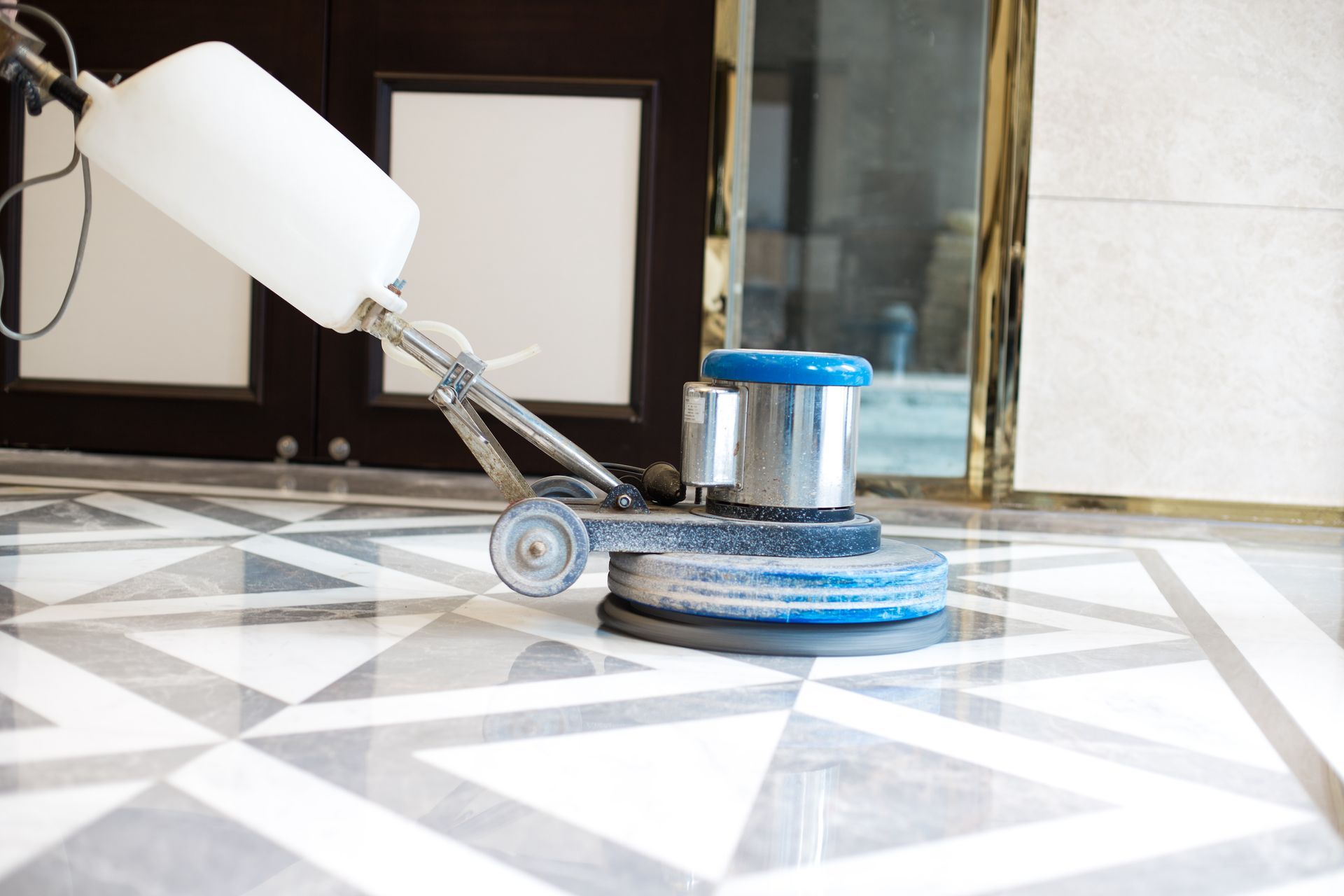
Health inspectors look for floors that are smooth, sealed, and easy to clean. Both options can meet this goal when installed and maintained well. Seamless systems may make it easier, since there are fewer joints to keep clean. Tile can work if grout stays sealed and in good shape.
Rules can vary, so check requirements with your local health office before you decide. Your installer can also explain how their system fits typical expectations for a food service floor.
Comparing Cost and Downtime
Costs depend on the size of the kitchen, the condition of the slab, and the product. Rather than looking at price alone, think about total cost over time. Repeated grout repairs and deep cleaning add up, while a seamless floor may need less ongoing work.
Downtime matters too. Both options need time to install and cure. Ask for a schedule that fits your service hours, and plan around slower days or closures when possible.
Questions to Ask Before You Decide
Use these questions to guide your choice:
- What problems are you having with your current floor?
- How much downtime can your business handle?
- What heat and chemicals does the floor face?
- Is the slab dry and sound?
- What maintenance can your team keep up with?
Is Tile or a Seamless Floor Better for a Restaurant?
Neither is best for every kitchen. Tile has a long history, while seamless floors reduce joints. Your slab, budget, and routine should decide.
Can You Install Seamless Flooring Over Tile?
Sometimes, but it depends on the condition of the tile and the system. Many installers remove tile first so that the surface bonds well. Ask for an on-site check.
How Long Does a Kitchen Floor Take to Install?
Timing depends on size, prep, and the product. Some systems cure faster than others. Your installer can give you a realistic schedule.
Get Help Choosing the Right Floor
You can read more about commercial kitchen flooring in Summerville on our site. LowCountry Surface Coatings, based in North Charleston, SC, provides commercial kitchen flooring serving Summerville, SC, and nearby areas. Call 843-548-5272 or request a free estimate.